
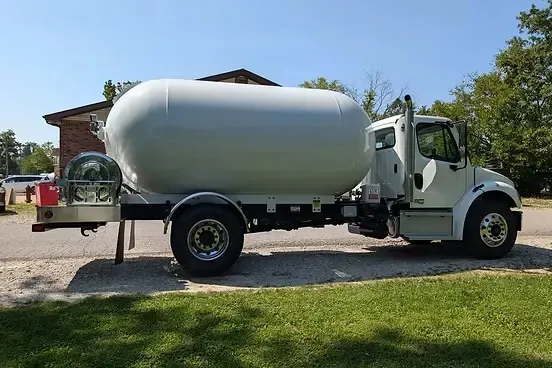
Propane is a dependable energy source for grilling, heating, and backup power, yet many homeowners still ask: how long are propane tanks good for? Understanding tank lifespan is essential for safety, compliance, and uninterrupted fuel use. While propane itself does not expire, the tank that stores it does have a certified service life. Knowing how long a propane tank is good for helps you avoid risks and unexpected refill issues.
Understanding Propane Tank Lifespan
When asking how long a propane tank is good for, it is important to understand that propane fuel and the tank itself have different lifespans. Propane does not expire or lose quality over time. However, portable propane tanks are typically certified for 12 years from the date of manufacturing under DOT regulations. After that, they require recertification. Therefore, how long a propane tank is good for depends on certification status and overall tank condition.
Do Propane Tanks Expire or Does Propane Go Bad?
Many people assume propane can spoil over time. However, that is a common myth. Propane is a stable fuel that does not degrade, lose strength, or go bad when stored properly. What actually expires is the tank certification, not the propane inside. Therefore, the real concern is tank integrity. Rust, corrosion, or valve damage can affect safety, even if the fuel remains usable. Proper upright storage in a dry, ventilated area helps maintain long-term reliability.
Signs Your Propane Tank Needs Replacement or Recertification
Even though propane tanks are built for durability, regular inspection is essential for safe operation. Over time, visible wear can signal that a tank requires recertification or full replacement. Tanks manufactured with advanced quality controls, such as those from Lux Industries, are designed to resist corrosion and structural stress; however, all cylinders must still be monitored for long-term safety.
First, check for rust and corrosion, especially around the base and collar. Surface rust may be manageable, but deep corrosion weakens the metal. Next, look for dents, bulges, or structural damage, which can compromise pressure integrity. In addition, inspect the valve for wear, cracks, or stiffness, as faulty valves increase leak risk.
Finally, pay attention to gas odors or hissing sounds, which may indicate leaks. If you notice any of these issues, avoid refilling the tank and consult a certified professional immediately.
Recertification Process Explained
When a propane tank reaches the end of its initial certification period, it must be recertified by an authorized propane dealer or certified inspection facility before refilling. Typically, technicians begin with a visual inspection to check for rust, dents, and valve condition. In some cases, hydrostatic testing is performed to assess pressure strength. Recertification is usually cost-effective; however, if the tank shows severe corrosion or structural damage, replacement is the safer and more practical option.
Lifespan of Different Types of Propane Tanks
The lifespan of a propane cylinder depends on size and use. Standard 20 lb grill tanks are qualified for 12 years from the manufacture date, shown in a month-year format stamp on the collar. After that, the tank must be inspected and may need to be recertified. Similarly, 100 lb tanks follow the same Department of Transportation rules. However, larger residential propane tanks often offer greater longevity with proper maintenance and routine tank inspection to meet safety standards.
How to Extend the Life of Your Propane Tank
Propane tanks last many years when properly maintained. First, find the manufacture date in the stamped month and year format to determine when your tank may reach its expiration date or recertification date. After the initial period, propane tank recertification is often required every five years.
To keep your tank in good condition, store it upright, protect it from moisture, and inspect it for signs of wear or defect. Proper care ensures safety, longevity, and peace of mind.
Can You Use an Expired Propane Tank?
An expired propane tank may still contain usable fuel, since propane does not degrade over time. However, once the certification period ends, the tank cannot be legally refilled until it is inspected and recertified. Using a tank past its expiration without proper approval can pose safety risks. Always verify the stamped date and ensure compliance before continued use.
Safety Guidelines Every Homeowner Should Follow
Safety should always come first when dealing with propane systems. Therefore, understanding how long propane tanks are good for is only part of responsible ownership.
Follow these essential safety steps:
- Never store tanks indoors
- Keep tanks away from heat sources
- Check for leaks using soapy water
- Replace damaged valves immediately
- Do not attempt self-repair
Conclusion
Understanding how long propane tanks are good for helps you protect your home, equipment, and investment. While propane itself remains stable, tank certification and condition determine safe use. By checking the stamped date, scheduling inspections, and following safety guidelines, you ensure compliance and reliability. With proper care and timely recertification, your propane system can deliver dependable performance for many years.
Not Sure About Your Tank’s Expiration Status?
Ensure your propane tank is safe, compliant, and ready for use. A quick professional check can prevent risks and refill delays.
Contact Us