
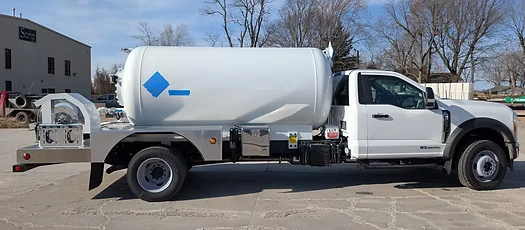
Propane tanks power grills, heaters, forklifts, and various residential and commercial appliances. Although these tanks are designed for safe operation, improper handling, gas leaks, and extreme heat can create serious hazards, especially with exploding propane tanks. So, can a propane tank explode under certain conditions? Yes, but explosions are uncommon when tanks are properly maintained, filled, stored, and used. Understanding the causes of a propane tank explosion helps users recognize potential hazards and take appropriate precautions. This guide explains the risks, warning signs, prevention measures, and emergency steps that support safer propane use.
Can Propane Tanks Explode Under Normal Conditions?
Propane tanks are designed to store liquefied gas under pressure, with safety features that support normal operation. Therefore, properly maintained tanks used according to manufacturer instructions are generally safe.
However, gas leaks, excessive heat, overfilling, and physical damage can increase the risk of fires or explosions. A gas explosion occurs when leaked propane ignites, while a tank explosion may involve the rupture of the pressurized container. Both can cause serious injuries and property damage.
What Causes a Propane Tank Explosion?
Several factors can contribute to propane-related accidents. Understanding these risks helps users recognize hazards and prevent dangerous incidents.
1. Propane Leaks and Ignition Sources
Propane leaks can result from damaged hoses, loose connections, defective valves, or deteriorated fittings. Since propane is heavier than air, it can accumulate in low-lying areas. When leaked gas encounters an ignition source, such as an open flame or electrical spark, it can cause a fire or explosion. If you suspect a leak, evacuate immediately and contact emergency services from a safe location.
2. Excessive Heat and Rising Tank Pressure
High temperatures increase propane vapor pressure inside a tank. Although tanks are designed to withstand normal operating pressures, intense heat or direct flames can create dangerous conditions. External fire may weaken the tank’s metal while internal pressure continues rising. Under severe conditions, the tank can rupture and release propane, potentially causing a destructive fireball if the gas ignites. Never approach a tank exposed to fire.
3. Overfilling and Pressure-Relief Problems
Propane tanks need sufficient space for liquid expansion as temperatures change. Overfilling reduces this space and can create unsafe operating conditions. Pressure-relief valves help release excess pressure, but they cannot prevent every type of tank failure. Damaged or malfunctioning valves can further increase the risk. Always use qualified propane suppliers who follow approved filling procedures and maintain appropriate safety standards.
4. Physical Damage, Corrosion, and Improper Handling
Corrosion, dents, damaged valves, and defective connections can compromise a propane tank’s integrity. Such damage may result from transportation, accidental impacts, improper storage, or environmental exposure. Even minor-looking defects may require professional assessment. Regular inspections help identify potential problems before they become serious. Never attempt to repair a damaged tank yourself; instead, contact a qualified propane professional to determine whether it remains safe to use.
What Is a BLEVE in a Propane Tank?
A boiling liquid expanding vapor explosion (BLEVE) occurs when a pressurized container holding liquid fails while its contents are above their atmospheric boiling point. In a propane tank, this can happen when an external fire heats the tank, increasing internal pressure while weakening its metal walls. If the tank ruptures suddenly, the rapid pressure drop causes liquid propane to vaporize and expand quickly. The resulting blast can propel metal fragments over considerable distances. If the released propane ignites, it can produce a massive fireball, causing severe burns, injuries, and property damage. Understanding BLEVE risks highlights why you should never approach a propane tank exposed to fire. Evacuate the area immediately and contact emergency services from a safe location.
Warning Signs of a Potential Propane Tank Accident
Recognizing early warning signs can help prevent a dangerous propane incident. Commercial propane contains an odorant that produces a rotten-egg-like smell, making leaks easier to detect. You may also notice hissing sounds near valves, damaged hoses, visible corrosion, or unusual frost around connections. However, some leaks occur without obvious signs, so never rely on smell alone. If you suspect a propane leak, evacuate immediately, avoid flames and electrical switches, and contact emergency services from a safe location. Never attempt to repair a leaking tank or approach one exposed to fire.
How to Prevent a Propane Tank Explosion
Proper handling, routine inspections, and safe storage significantly reduce the risk of propane-related accidents. Following these precautions helps protect people, property, and equipment.
1. Store Tanks in Appropriate Outdoor Locations
Store propane tanks upright in secure, well-ventilated outdoor areas, away from excessive heat and ignition sources. Keep them away from enclosed spaces, basements, and unsuitable storage locations. Follow manufacturer instructions and local safety requirements to ensure proper placement and ventilation.
2. Inspect Tanks, Valves, and Connections
Check tanks, hoses, valves, and connections regularly for corrosion, cracks, leaks, or visible damage. Damaged components can compromise tank safety and increase the risk of propane leaks. If you notice a defect, stop using the equipment and contact a qualified propane professional for inspection and repairs.
3. Avoid Overfilling and Excessive Heat Exposure
Always have propane tanks filled by qualified personnel using approved procedures. Overfilling reduces the space needed for liquid expansion as temperatures change. Additionally, keep tanks away from direct flames and intense heat, which can increase internal pressure and weaken the tank structure.
4. Follow Manufacturer Instructions and Inspection Requirements
Follow manufacturer guidelines for tank installation, transportation, storage, and operation. Arrange required inspections and replace damaged or expired components according to applicable requirements. Never modify valves or pressure-relief devices yourself. Businesses such as Lux Industries should ensure any propane-related equipment they use is handled according to applicable safety guidelines and manufacturer instructions.
What Should You Do If a Propane Tank Is Leaking?
A propane leak can create an immediate fire or explosion hazard, especially in enclosed or poorly ventilated areas. If you suspect a leak, act quickly and prioritize your safety by following these steps:
- Evacuate immediately: Move away from the suspected leak and warn others to leave the area.
- Avoid ignition sources: Do not light flames, operate electrical switches, or start vehicles near the leak.
- Contact emergency services: Report the suspected leak from a safe location and follow emergency responders’ instructions.
- Keep others away: Prevent people from approaching the tank or entering the affected area.
- Wait for professional clearance: Do not return until emergency responders confirm the area is safe.
Never attempt to repair, move, or disconnect a leaking propane tank yourself. If the tank is exposed to fire, evacuate immediately and never approach it, even if no flames are visible.
Conclusion
So, can a propane tank explode? Yes, but proper handling, safe storage, and regular inspections significantly reduce the risk. Understanding potential hazards, including gas leaks, excessive heat, and tank damage, helps prevent dangerous incidents. Always follow manufacturer guidelines and respond promptly to warning signs. If you suspect a leak or encounter a tank exposed to fire, evacuate immediately and contact emergency services from a safe location.
Protect Your Property With Professional Propane Tank Services
Keep your propane equipment in safe working condition with professional inspections and repairs. Lux Industries can help you address tank concerns and identify potential issues before they become bigger problems.
Schedule an Inspection