
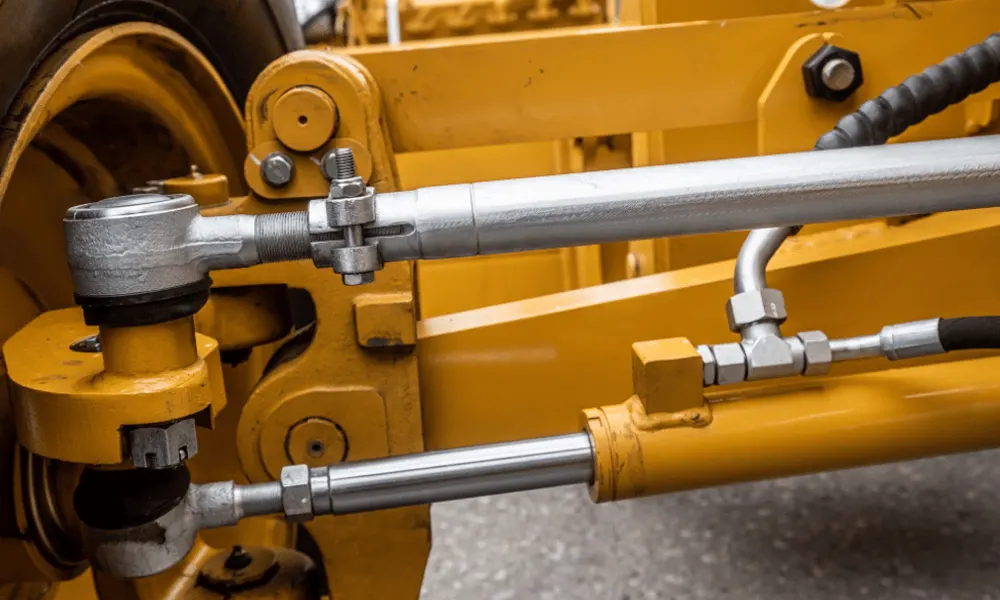
Propane-powered equipment relies on hydraulic systems to perform essential tasks, from lifting heavy loads to adjusting mast positions and operating attachments. But how do hydraulic systems work to deliver controlled force and reliable movement? These systems use pressurized fluid to transfer power from a pump to hydraulic cylinders and other actuators. Understanding how hydraulic systems work helps operators recognize their role in equipment performance, identify potential issues, and maintain safe, efficient operation.
What Is a Hydraulic System?
A hydraulic system uses pressurized fluid to transmit power and produce controlled mechanical movement. In propane-powered forklifts, hydraulics help lift heavy loads, tilt masts, and operate compatible attachments. Most systems use hydraulic oil as the working liquid, transferring energy while lubricating components and helping dissipate heat. Their operation relies on Pascal’s principle, which states that pressure applied to a confined fluid is transmitted throughout the fluid. This principle enables hydraulic cylinders to generate substantial force from relatively compact components. However, reliable performance depends on proper system design, suitable fluid, and regular maintenance.
How Do Hydraulic Systems Work?
Understanding how hydraulic systems work starts with how fluid transfers power through a connected circuit. In propane-powered forklifts, the engine drives a hydraulic pump, which supplies fluid to control valves and actuators. These control systems direct fluid flow, regulate movement, and help manage hydraulic pressure during operation. Each component plays a specific role in producing controlled mechanical movement.
1. The Pump Moves Hydraulic Fluid
The hydraulic pump draws oil from the reservoir and delivers it into the circuit. As resistance increases, hydraulic pressure develops to support the required operation.
2. Control Valves Direct Fluid Flow
Control valves direct fluid toward the appropriate actuator. Pressure-relief valves help prevent excessive pressure, while flow-control mechanisms regulate movement speed when needed.
3. Actuators Convert Fluid Power Into Motion
Hydraulic cylinders use fluid pressure to move a piston, generating mechanical force. This movement raises forklift masts, adjusts their angle, or operates compatible attachments.
4. Fluid Returns Through the Circuit
In a typical open-circuit system, fluid returns to the reservoir after performing its function. Filtration helps remove contaminants, while suitable cooling maintains fluid temperature within the recommended range.
Together, these components enable hydraulic systems to deliver controlled force, reliable movement, and efficient material handling.
What Are the Main Components of a Hydraulic System?
A hydraulic system depends on several interconnected hydraulic components to deliver controlled force and consistent performance. Each part serves a specific purpose, from storing hydraulic oil to regulating pressure and protecting sensitive equipment. Understanding these components helps explain how hydraulic systems work in propane-powered forklifts and other industrial machines.
| Component | Primary function |
|---|---|
| Hydraulic pump | Supplies fluid flow to the hydraulic circuit. |
| Hydraulic reservoir | Stores fluid and helps release heat and separate entrained air. |
| Hydraulic valves | Regulate fluid direction, pressure, and flow. |
| Hydraulic cylinders | Convert hydraulic energy into linear mechanical movement. |
| Hoses and pipes | Transport fluid between system components. |
| Hydraulic filters | Capture contaminants to protect components from wear. |
| Pressure-relief valve | Limits pressure to help protect the circuit. |
Depending on the equipment design, additional components may include coolers, accumulators, and electronic sensors. Together, these components support efficient operation, reliable movement, and controlled hydraulic performance. Regular inspection helps identify wear, contamination, and leaks before they affect equipment functionality.
How Do Hydraulic Systems Work in Propane Equipment?
In propane-powered equipment, hydraulic systems convert engine power into controlled movement for lifting, positioning, and handling materials. A propane-powered forklift provides a practical example of this process. Its engine drives a hydraulic pump, which supplies fluid to the appropriate control valves and actuators. These components support several essential operations.
- Lifting loads: Hydraulic cylinders raise the mast and fork carriage to position materials at the required height.
- Lowering loads: Controlled fluid flow allows the forks to descend at a regulated speed.
- Tilting the mast: Hydraulic cylinders adjust the mast angle to help stabilize loads during handling.
- Operating attachments: Compatible hydraulic circuits power attachments such as clamps and specialized material-handling tools.
- Supporting maneuverability: Depending on the model, hydraulic power may also assist steering.
Although the propane system provides fuel for the engine, hydraulic fluid transfers power through a separate circuit. This distinction helps explain how both systems work together to operate the equipment. However, hydraulic configurations vary by machine, so specific functions depend on the manufacturer’s design.
What Powers the Hydraulic System in Propane Equipment?
The hydraulic system in propane-powered equipment relies on the engine to supply mechanical power. The engine burns propane fuel to produce rotational energy, which drives the hydraulic pump directly or through a mechanical drive arrangement. The pump then moves hydraulic fluid through the circuit, allowing cylinders or hydraulic motors to perform tasks such as lifting loads and operating attachments. However, propane and hydraulic fluid serve different purposes. Propane fuels the engine, while hydraulic fluid transfers power within the hydraulic circuit. Together, these separate systems enable efficient equipment operation and controlled material handling.
What Are Common Hydraulic Problems in Propane Equipment?
Hydraulic problems can affect lifting performance, load control, and the overall reliability of propane-powered equipment. Recognizing early warning signs helps operators identify potential faults before they cause further damage or disrupt operations.
| Common symptom | Possible cause |
|---|---|
| Slow lifting | Low fluid levels, restricted flow, or pump wear. |
| Jerky movement | Air in the fluid, inconsistent flow, or mechanical issues. |
| Visible fluid leaks | Damaged hoses, worn seals, or loose fittings. |
| Excessive heat | Restricted flow, incorrect fluid, or sustained pressure losses. |
| Reduced lifting capability | Internal leakage, pump problems, or pressure-control faults. |
However, these symptoms do not always indicate a single underlying problem. Accurate diagnosis requires a thorough inspection and checks against the manufacturer’s hydraulic specifications. Avoid replacing components based on symptoms alone. A qualified technician can identify the root cause and recommend appropriate repairs to restore safe, reliable operation.
How Can You Maintain Hydraulic Systems in Propane Equipment?
Regular hydraulic maintenance helps propane-powered equipment operate reliably while reducing the risk of unexpected downtime. Following a consistent inspection routine can also help identify developing problems before they affect performance.
- Check fluid levels: Maintain hydraulic oil at the manufacturer’s recommended level.
- Inspect components: Look for leaks, damaged hoses, worn seals, and loose fittings.
- Replace fluids and filters: Follow the specified maintenance schedule to control contamination.
- Monitor performance: Investigate unusual noises, excessive heat, slow lifting, or jerky movements.
- Arrange professional servicing: Have recurring problems and pressure-related faults assessed by qualified technicians.
Safety is essential during maintenance. Hydraulic fluid can remain pressurized after the engine stops. Never check for leaks with bare hands or disconnect pressurized lines. Before servicing, lower loads, isolate the equipment, and release stored energy according to the manufacturer’s procedures.
Conclusion
Understanding how hydraulic systems work in propane-powered equipment helps explain how machines lift loads, control movement, and handle materials efficiently. From pumps and valves to cylinders and hydraulic fluid, each component contributes to reliable performance. However, regular maintenance and timely troubleshooting are essential for identifying potential issues and supporting safe operation. By following manufacturer guidelines and arranging professional inspections when needed, operators can help maintain hydraulic performance, reduce unexpected downtime, and extend equipment service life.
Keep Your Hydraulic Systems Running Smoothly
Regular maintenance helps propane-powered equipment operate safely and reliably. Identify potential issues early and keep your equipment performing efficiently.
Contact Us