
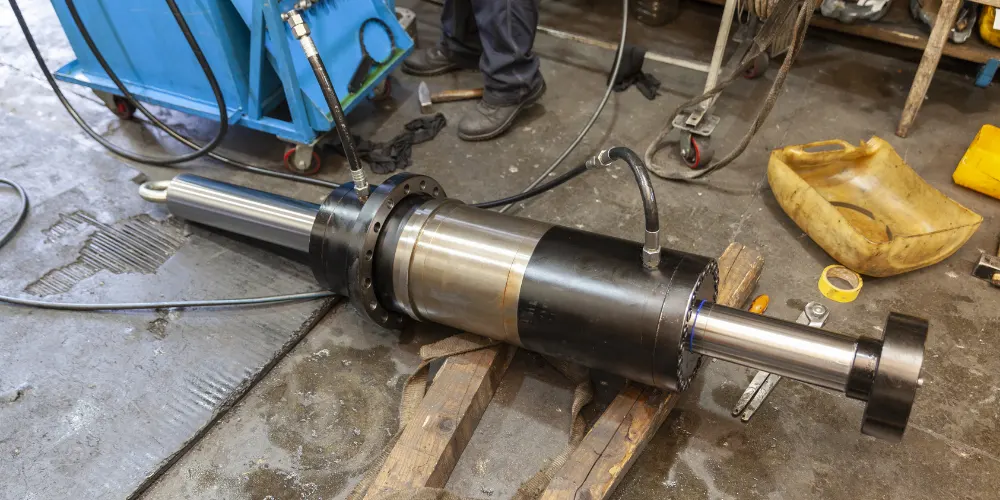
At the core of every bobtail propane truck lies its hydraulic system—the reliable powerhouse that drives every delivery operation. It acts as the muscle behind the pump, the control center for the meter, and the steady mechanism that operates the hose reel and lift. When the hydraulics fail, deliveries stall, safety is compromised, and operational efficiency suffers. Understanding and maintaining this system is critical for keeping your fleet running safely and on schedule.
This guide will walk you through diagnosing common hydraulic issues, step by step, so you can confidently restore power and keep your fleet—and your deliveries—running strong.
Understanding Hydraulic Systems in Bobtail Propane Trucks
You can’t troubleshoot what you don’t understand. So, first, let’s break down how a bobtail’s hydraulic system is supposed to operate.
In simple terms, hydraulic oil under pressure provides the working force that powers the truck’s hydraulic system. The pump creates it, and that power is channelled through valves and hoses to run critical components—the PTO pump, the meter, and all your delivery components.
Here’s your core component checklist:
- Pump
- Control Valves
- Reservoir
- Hoses & Fittings
- Actuators (cylinders/motors)
These systems work hard in demanding conditions. So, the problems are usually predictable: low pressure, fluid leaks, contamination, excessive heat, and cavitation.
Steps to Troubleshoot Hydraulic Systems
At Lux Industries, hydraulic troubleshooting follows a structured, step-by-step approach. The process begins with the hydraulic fluid and reservoir, as many performance issues originate at this foundational level. The following checkpoints outline what to inspect first and why it matters.
Step 1: Inspect the Hydraulic Fluid and Reservoir
First, look at the reservoir. Check if the reservoir is filled to the correct specifications. A low fluid level is one of the most common reasons for weak pump performance and inconsistent deliveries.
Then, examine the oil. Look for signs of contamination: cloudiness, visible water, or debris. Contaminated oil doesn’t just look bad. It speeds up corrosion and grinds away at expensive pumps and valves from the inside. For bobtails, moisture contamination is a particularly frequent culprit.
If you find contamination in the oil, change the oil and filters. Remember, reliable system pressure starts with clean, full hydraulic fluid.
Step 2: Check for External and Internal Hydraulic Leaks
If your delivery efficiency is dropping, a hydraulic leak could be the reason. Start by tracking down external leaks. Visually inspect all hoses, fittings, couplings, seals, and the pump shaft. Don’t ignore a small drip. It can lead to slow meters, low pump output, and safety hazards.
However, the leak might be hidden. Internal leakage occurs inside components like valves or the pump, where worn parts allow oil to bypass internally. This steals pressure before it can even be used.
Monitor your system’s pressure and watch for inconsistent delivery performance. These fluctuations often point to an internal leak.
Step 3: Verify System Pressure and Relief Valve Settings
Low system pressure is a common culprit behind weak hydraulic performance in bobtails. Use a calibrated pressure gauge to get an accurate PSI reading and compare it to the manufacturer’s required spec.
Often, the root cause lies with the relief valve. A valve set below specification will limit your power, making every task harder. One set too high forces the system to work under stressful conditions, leading to overheating and premature failure.
Step 4: Inspect the Hydraulic Pump and PTO Drive
First, rule out simple mechanical issues. Inspect:
- The pump drive mechanism
- PTO engagement
- The power source (e.g., truck engine)
A problem here often masquerades as a major hydraulic failure. Then, check the compensator settings. A misadjusted compensator will limit flow or pressure, causing a poor, sluggish response when you need power. Also, examine the pump inlet and suction lines. If you find any problem, you can go for a pump repair service.
Step 5: Monitor Temperature and Excessive Heat
Excessive heat in a hydraulic system is like a persistent fever. It’s a sign of stress that weakens the entire operation. For bobtail trucks on extended routes, this overheating is a common challenge that degrades oil and worsens leaks.
Your diagnostic tool here is simple but powerful: an infrared temperature gun. Scan the pump, control valves, and major lines to map the system’s heat signature. The real insight comes when you overlay this temperature map with pressure data.
Step 6: Inspect Valves and Hydraulic Circuit Operation
Hydraulic valves regulate flow, pressure, and direction in propane bobtail trucks. Inspect control valves and relief valves for contamination, sticking spools, or worn seals. A faulty valve can cause delayed hose reel movement, inconsistent pump output, or pressure loss.
Reading and tracing the hydraulic schematic for the bobtail truck is essential. Understanding fluid flow paths helps pinpoint where pressure should build and where losses may occur, allowing faster and more accurate diagnostics.
Step 7: Diagnose Cavitation, Noise, and Vibration
Cavitation is a serious issue in bobtail propane truck hydraulics and typically results from low fluid levels, clogged suction lines, air ingress, or incorrect oil viscosity. Cavitation causes noise, vibration, and accelerated pump wear.
Verify oil level, inlet conditions, and reservoir design. Ensure the hydraulic oil viscosity matches operating temperature requirements to protect pumps and maintain smooth delivery operation.
Step 8: Evaluate Worn Components and System Wear
Over time, worn components such as seals, pistons, valves, and pumps reduce hydraulic efficiency in propane bobtail trucks. Common symptoms include unstable pressure, slow delivery rates, and excessive heat.
Inspect suspect components and replace them as needed. Proactive bobtail truck maintenance helps restore system pressure, improve reliability, and extend equipment life.
Step 9: Check Electrical and Control Inputs
Modern bobtail propane trucks often integrate electrical controls, solenoids, and sensors into their hydraulic systems. Verify wiring, power supply, and control signals. Electrical faults can prevent valves from shifting or pumps from responding correctly.
Always confirm electrical inputs align with the truck’s hydraulic schematic and control logic, as electrical issues frequently mimic hydraulic failures.
Best Practices for Preventing Hydraulic Issues in Bobtail Propane Trucks
Routine maintenance is essential for preventing hydraulic problems in propane bobtail trucks. Regularly inspect hydraulic fluid, monitor system pressure, check for leaks, and track operating temperatures.
Document pressure and temperature readings across delivery routes. This data helps identify early warning signs before failures occur. Preventive hydraulic maintenance improves safety, reduces downtime, and enhances overall delivery efficiency.
Final Thoughts
Hydraulic system troubleshooting is essential for maintaining safe and efficient bobtail propane truck operations. By inspecting fluid condition, verifying pressure settings, monitoring temperature, and tracing the hydraulic circuit, operators can quickly identify and resolve common hydraulic issues. A disciplined troubleshooting approach not only restores system performance but also prevents future failures. When properly maintained, bobtail propane truck hydraulic systems deliver consistent performance, improve safety, and protect long-term operational value.
Keep Your Fleet Delivery-Ready!
Partner with experienced bobtail truck service specialists to diagnose, repair, and optimize your hydraulic systems with confidence.
Contact Us