
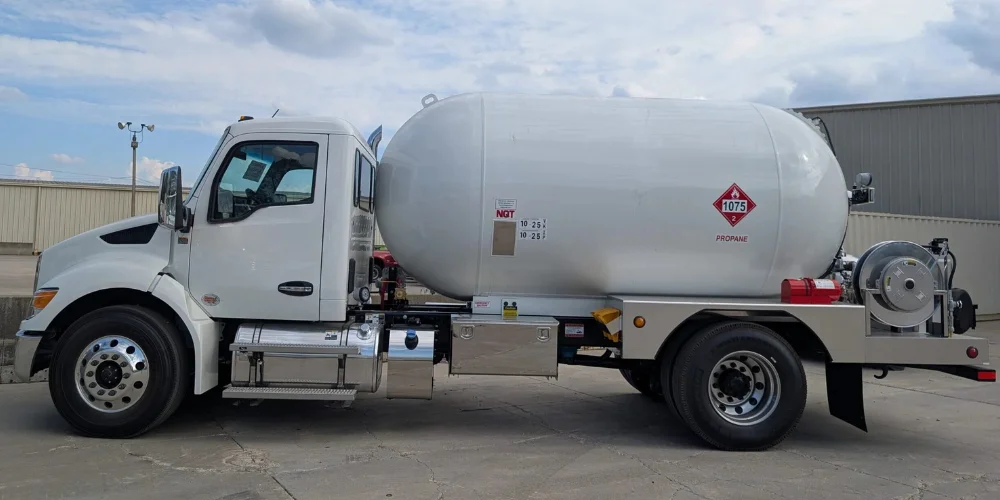
Propane is a reliable and efficient fuel source for homes, grills, and propane-powered equipment. However, safety depends heavily on the condition of the propane tank or cylinder. Regular inspections help ensure your propane system remains safe, compliant, and ready for use. This guide to propane focuses on inspection requirements, visual checks, recertification rules, and practical propane safety tips every propane user should follow.
Why Propane Tank Inspections Matter
Don’t skip the inspection. A propane tank that goes unchecked can silently become a hazard—from leaks and broken valves to physical damage. It’s a straightforward safeguard for the safety of both people and property.
Benefits of Propane Tank Inspections:
- Spots leaks before they turn into hazards
- Confirms the tank is undamaged and in good condition
- Ensures compliance with Department of Transportation safety standards
- Provides peace of mind for propane-powered equipment users
Inspections are a simple way to ensure your propane system keeps running safely and smoothly for your peace of mind.
Understanding Propane Tank Inspection Requirements
Propane tanks and cylinders are regulated by the Department of Transportation, which sets strict standards for inspection, recertification, and requalification. Following these requirements helps ensure propane systems remain safe and compliant.
Key inspection requirements include:
- Propane cylinders must be inspected at required intervals under DOT regulations.
- Visual inspections must check for damage, corrosion, leaks, or valve issues.
- Professional inspections are required for recertification and requalification.
- Tanks that fail inspection must be repaired, recertified, or removed from service.
- DOT compliance is necessary for refilling, transporting, and continued use.
Adherence to these DOT requirements is a core part of the inspection process followed by Lux Industries, ensuring safe and compliant propane tank use.
How to Identify Your Propane Tank’s Age
One of the most important inspection steps is verifying the propane tank’s age. Propane cylinders follow a fixed certification timeline that determines how long they can remain in service.
Key points to check include:
- Manufacture date location: Stamped on the collar or handle of a portable propane cylinder.
- Date stamp format: Displayed as numbers indicating the month and year, such as “06 25” for June 2025.
- Initial certification period: Most propane cylinders are certified for 12 years from the manufacturer’s date.
- Post-expiration requirement: Tanks must be recertified or requalified after the initial certification period.
- Safety compliance: Following propane tank expiration rules prevents use beyond the safe service life.
Propane Tank Inspection Checklist
Inspecting a propane tank means meticulously checking its critical parts. These components—like valves and connectors—directly manage safety, pressure, and leak prevention. The careful review ensures the tank remains safe, meets regulations, and is fit for continued use.
Components That Need to Be Inspected
1. Tank Body and Exterior Surface
A quick visual check of the tank’s exterior can spot potential issues. Look for any dents, bulges, or cracks. The tank’s body must remain solid to contain pressure safely. Light rust might be normal. But heavy rust is a sign the tank needs a professional assessment.
2. Protective Collar
Take a look at the protective ring around the service valve. Is it bent, cracked, or broken? It should be repaired or replaced. Otherwise, the service valve loses its guard, making it more susceptible to knocks and bumps during normal use.
3. Service Valve
For safe operation, the service valve needs to work perfectly. It should open and close smoothly. A simple tank inspection for rust or visible wear can prevent bigger issues. Keeping this valve in good shape helps you avoid dangerous leaks or unexpected gas release.
4. Regulator
The regulator reduces propane pressure to a safe operating level. Ensure it is securely attached and free from cracks or damage. A loose or malfunctioning regulator can cause pressure instability and compromise appliance performance and safety.
5. Pressure Relief Valve
The pressure relief valve is a critical safety feature designed to release excess pressure if the tank becomes over-pressurized. This valve must remain clean and unobstructed. Check for dirt, paint, grease, or debris, and never attempt to alter or block it.
6. Hoses, Fittings, and Connection Points
Inspect all hoses, fittings, and joints for cracks, wear, or loose connections. These areas are common sources of leaks, even when the tank itself appears undamaged. Any signs of leakage require immediate removal of the tank from service.
7. Certification Date and Recertification Markings
Check the certification or recertification date stamped on the tank collar. Most portable propane cylinders are certified for 12 years from the manufacturer’s date. Once expired, the tank must be recertified or removed from service, regardless of its visual condition.
8. Tank Stability and Positioning
Ensure the propane tank is stored upright on a stable, level surface. A leaning or poorly supported tank can place stress on valves and connections, increasing the risk of damage or leaks.
9. Signs of Overheating or Fire Exposure
Look for discoloration, scorch marks, warped metal, or peeling paint. These signs may indicate prior exposure to excessive heat or fire. Any tank showing heat damage should be professionally inspected and not reused until cleared for service.
10. Storage and Ventilation Conditions
Confirm the tank is stored outdoors in a well-ventilated area, away from heat sources, ignition points, and enclosed spaces. Proper ventilation helps prevent gas buildup and improves overall propane safety.
Quick Summary: Propane Tank Inspection Checklist
The table below provides a quick glance overview of the most important propane tank inspection points. It highlights what to look for during a routine check and the recommended action to take if an issue is found.
| Inspection Item | What to Check | Recommended Action |
| Tank Body & Exterior | Dents, cracks, bulges, heavy rust | Repair or replace damaged areas |
| Protective Collar | Bent, cracked, or broken | Replace if the collar is compromised |
| Service Valve | Opens and closes smoothly; no rust | Clean or replace if faulty |
| Regulator | Secure, free of cracks or damage | Tighten or replace if needed |
| Pressure Relief Valve | Clear, clean, and functional | Never block; replace if defective |
| Hoses & Connections | Cracks, leaks, or loose fittings | Tighten or replace as required |
| Certification & Recertification | Check stamped manufacture/recertification date | Recertify when expired |
| Tank Position & Stability | Upright on a flat, stable surface | Adjust the position or stabilize the tank |
| Heat or Fire Exposure | Scorch marks, warped metal, discoloration | Remove from service immediately |
| Storage & Ventilation | Outdoors, ventilated, away from heat | Relocate if storage is unsafe |
Propane Tank Recertification and Requalification Explained
Propane tank recertification extends the usable life of a cylinder after its initial 12-year certification period ends. Once this period expires, the tank must be recertified or requalified to remain in service.
A trained professional conducts a visual inspection and may perform a pressure or proof pressure test to confirm the tank meets safety standards. If approved, the tank is marked with a new recertification date.
After recertification, propane tanks typically require requalification every five years to ensure continued safe use and regulatory compliance.
The recertification date is stamped into the collar. You can check it near the original date of manufacture. This marking confirms the tank has been requalified and meets current safety standards.
Storage, Maintenance, and Ongoing Safety Tips
Safe propane use depends heavily on proper storage and routine care. Following basic storage guidelines and maintaining your propane tank helps reduce safety risks, prevent damage, and extend the tank’s usable life.
- Store propane tanks upright at all times to protect the valve and prevent leaks.
- Keep tanks in a well-ventilated outdoor area, away from heat sources, sparks, and open flames.
- Never store propane tanks indoors or in enclosed spaces.
- Keep the tank clean and dry to minimize rust and corrosion.
- Perform regular visual inspections to identify early signs of wear or damage.
- Schedule routine maintenance and professional inspections as needed.
- Consult a propane dealer if you are unsure about the tank’s condition or certification status.
- Recertify or replace tanks that fail inspection or no longer meet safety standards.
Conclusion
Propane tank inspections are not optional. They are a critical part of propane safety and responsible fuel use. By following a clear inspection checklist, checking the manufacture date, performing visual inspections, and staying aware of recertification requirements, you ensure your tank remains safe and compliant.
Whether you use a portable propane tank for a grill or rely on a larger propane system, regular inspections help protect your investment and deliver lasting peace of mind.
Ensure DOT Compliance for Your Propane Tank
Stay compliant and avoid safety risks. Let Lux Industries inspect, recertify, and verify your propane tank before your next refill or use.
Contact Us